
Tips and tricks for your next trip
When you're planning hiking trip , there are several considerations and preparations you should make in advance. This page provides insights on how to prepare for a journey along Aarhus Camino
1. Preparation & Training
-
Physical: Start training early to build mobility, prevent injuries, and "break in" your backpack and shoes.
-
Mental: While the route is close to civilization and not "extreme," it still requires mental stamina for long distances.
2. Logistics & Timing
-
Best Season: Though open year-round, the optimal time to hike is May 1st to October 1st.
-
The Terrain: Expect a mix of asphalt, forest roads, and gravel paths. The landscape varies from beaches to hilly forests.
-
Route Planning: Map out your water stations, restrooms, and meal breaks in advance. Aim to book your accommodation 1–2 days ahead by contacting providers directly.
3. Smart Packing & Maintenance
-
Food & Water: Always carry a water bottle and at least two meals, as shops may be far apart or closed when you arrive.
-
Clothing: Pack light. Bring detergent and a drying line so you can wash clothes along the way.
-
Wet Gear: Use crumpled newspaper to draw moisture out of wet shoes overnight.
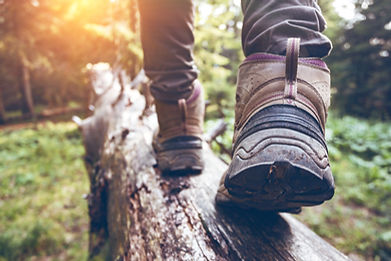

Preparing for a Camino is unique because the "training" isn't just about your legs—it’s about preparing your mind to be quiet and your spirit to be open. Here is a guide to preparing mentally and spiritually for the Way.
1. Mental Preparation:
-
Define Your "Why": Write down exactly why you are going. Is it for healing, a career transition, or simply a challenge? In moments of physical pain or exhaustion, reminding yourself of your "why" will be your greatest fuel.
-
Release the Need for Control: On the Camino, things rarely go exactly to plan. Practice "letting go" of rigid schedules in your daily life now. Try going for a walk without a GPS or a set destination to build comfort with uncertainty.
-
Visualization: Spend 5 minutes a day visualizing yourself walking. Don't just imagine the beautiful sunsets; visualize yourself handling a difficult hill or a rainy afternoon with a calm, steady mind.
2. Spiritual preparation:
Regardless of your religious background, a pilgrimage is a "sacred journey" that benefits from intentionality.
-
Practice Silence: Modern life is noisy. Practice sitting in total silence for 10–20 minutes a day. This prepares you for the stretches where you will be alone with your thoughts
-
Gather "Intentions": It is a beautiful tradition to carry others with you. Ask friends and family: "Is there anything you’d like me to carry in my heart or pray for while I walk?" Write these in a small notebook to read on the trail.
-
Learn the History & Legends: Research the deep history and local legends of your route to connect with the generations who walked it before you. Learning about the traditional symbols, the origins of the path, and the stories of the people it honors transforms a physical "hike" into a meaningful "pilgrimage."
3. Practical soul logistics:
-
Digital Detox: Consider how much you want to use your phone. Many pilgrims find that staying off social media allows for a much deeper spiritual experience.
-
The Blessing: If you are religious, ask your local priest or spiritual leader for a "Pilgrim’s Blessing" before you depart. It marks the transition from your "normal life" to your "pilgrim life."
This packing guide focuses on comfort, organization, and preparation for the variable Danish climate. Here is a summary of the essential gear and tips:
1. Footwear & Leg Care
-
Shoes: Boots aren't strictly required, but footwear should be roomy (to allow for swelling), flexible, and shock-absorbing.
-
Blister Prevention: Use the "double-sock" method (a thin liner under a thicker sock) and carry a first-aid kit with blister plasters.
-
Maintenance: Change socks daily and use crumpled newspaper to dry wet shoes
.2. Clothing & Weather Protection
-
Layering: Wear breathable, quick-drying materials (like microfiber) instead of cotton.
-
Rain Gear: A rain poncho is highly recommended as it covers both you and your backpack.
-
Accessories: Bring a cotton scarf for neck temperature regulation, plus a hat and gloves for colder seasons.
3. Backpack & Sleeping Gear
-
The Pack: For long trips, use a 40–60 liter backpack with a hip belt and chest strap. Ensure the back length fits you correctly to distribute weight to your hips.
-
Organization: Use packing bags to keep gear organized and dry.
-
Sleeping: If staying outdoors, bring a lightweight sleeping bag and a sleeping pad. Depending on the season, choose the right sleeping bag, considering that until end of May there might be cold nights.
4. Essential Tools & Hygiene:
-
Navigation & Safety: Carry a power bank, sunscreen, tick tweezers, and mosquito repellent.
-
Support: Walking poles are recommended to help with balance and to reduce stress on your knees and back while carrying a heavy load.
-
Hygiene: Pack a microfiber towel (lightweight and fast-drying) and basic toiletries.
